
About Beautiful Fiji Islands .
Fiji, a South Pacific island nation, is an archipelago of over 300 islands known for stunning beaches, clear waters, and lush volcanic terrain, with most of its population on the main islands of Viti Levu and Vanua Levu; it’s a popular tourist spot, a Commonwealth member, and features a mix of Indigenous Fijian and Indo-Fijian cultures, with English, Fijian, and Hindi as official languages, and tourism, sugar, and clothing as key industries.
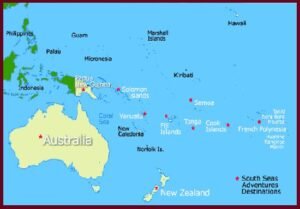
Location: In Melanesia, Oceania, northeast of New Zealand.
Composition: Over 330 islands and 500 islets, with about 110 permanently inhabited.
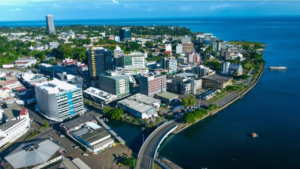
Major Islands: Viti Levu (home to capital Suva, Nadi, Lautoka) and Vanua Levu.
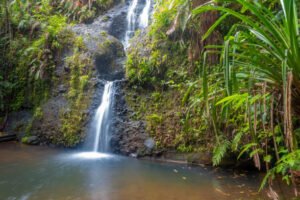
Landscape: Volcanic mountains, dense tropical forests, coastal plains, and coral reefs.
People & Culture
Population: Primarily Indigenous Fijians (Melanesian) and Fijians of Indian descent.
Languages: English, Fijian, Hindi.
Religions: Christianity, Hinduism, Islam.
Vibe: A blend of traditional Melanesian culture with a strong multicultural influence, known for its welcoming “Bula” spirit.
Economy & Tourism
Key Industries: Tourism (major), sugar, clothing, timber, and fisheries.
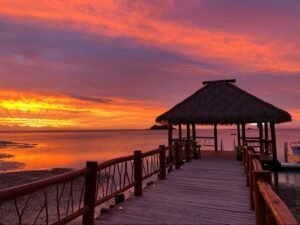
Tourism: Famous for world-class diving, snorkeling, surfing, and resorts in areas like Nadi, Mamanuca, and Yasawa Islands.
Government
Official Name: Republic of Fiji.
Status: Independent since 1970, a parliamentary democracy.
Key Facts
Capital: Suva, located on Viti Levu.
Motto: “Fear God and honour the King”.
Biodiversity: Rich marine life with vibrant coral reefs.


About The university .
Fiji, a South Pacific island nation, is an archipelago of over 300 islands known for stunning beaches, clear waters, and lush volcanic terrain, with most of its population on the main islands of Viti Levu and Vanua Levu; it’s a popular tourist spot, a Commonwealth member, and features a mix of Indigenous Fijian and Indo-Fijian cultures, with English, Fijian, and Hindi as official languages, and tourism, sugar, and clothing as key industries.
The University of the South Pacific (USP), established in 1968 in the Laucala Bay area of Suva, Fiji opened its doors to students from the Pacific Islands, providing them an opportunity to pursue post-secondary education within the region. This was a remarkable accomplishment during the last days of colonialism.
USP’s foundation was perceived as an important step towards the autonomy of the Pacific nations, and its growth in size and sophistication since has, in many ways, mirrored that of its Member Countries. Certain factors gave rise to support for the development of the University. Firstly, several Pacific Island countries were moving towards independence and they needed to train people to assume positions of responsibility; secondly, mid 1960s was a period of tertiary-level educational expansion and thirdly, the healthy economic climate through the early 1970’s made such expansion possible for Small Island States wiithin those countries’ spheres of influence.
After five decades, USP is a source of immense pride for the region which has nurtured its development from simply being an autonomous university in the region to its current status as a world-class tertiary provide, research institution, and development organisation designed to meet the needs and address the priorities of its Member Countries in an affordable, future-oriented manner that values and celebrates Pacific history, cultures and the natural environment.
USP’s strategic goal is to be a leader in tertiary education and research and assist towards the sustainable development of the Pacific region. In its Strategic Plan, Shaping Pacific Futures, USP addresses the major challenges facing the region and provides assurance to its stakeholders that using innovative and sustainable approaches, the University will assist the region to achieve measurable progress in the future. The main regional issues that influence this decision is the need for greater regional cooperation to address climate change, youth populations facing poor economic prospects and poor educational outcomes, the need for regional ICT cooperation and digitalisation and the importance of preserving and promoting Pacific cultures and heritage. The University hopes to support healthy growth and sustainability throughout the institution and the region, at all levels and in all communities.
University Facilities
The University of the South Pacific (USP) is one of only two regional Universities in the world, with the primary mandate to provide appropriate levels of education and training and to be responsive to the well-being and needs of the communities of the South Pacific.
Recreational Facilities at USP:
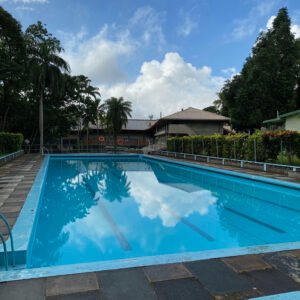
30 meter swimming pool
Tennis Court
Squash court
Sports fields
Outdoor Volleyball court
Fitness Centre for weight training and aerobic instruction
Pool room with two tables
Verandah shop and snack bar service
Alcoholic beverages at night
Sporting equipment issue office
Multipurpose indoor sports facilities




Join Our Community
Enter your email address to register to our newsletter subscription delivered on regular basis!